


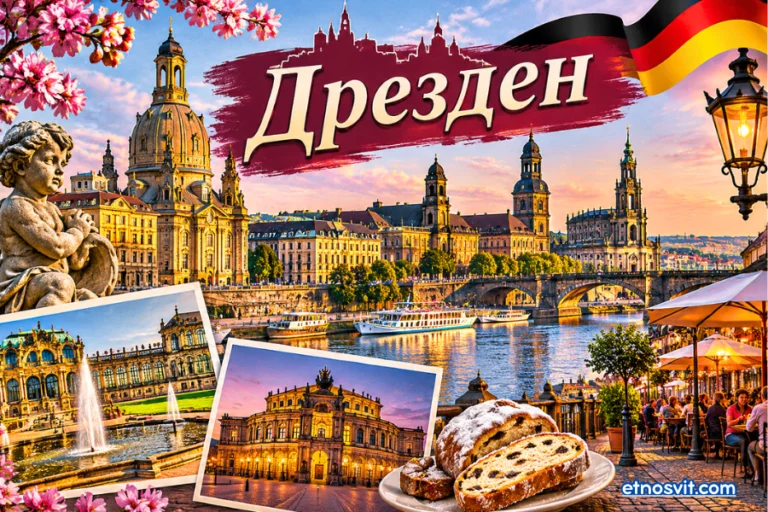
Dresden – Germany’s Tourist Pearl on the Banks of the Elbe
Dresden is a city where the history of European art comes alive amid magnificent palaces, Baroque churches, historic squares and picturesque embankments. The capital of Saxony attracts travellers with its architectural heritage, famous art collections, cosy cafés and distinctive atmosphere that sets it apart from other major German cities. → Tours to Germany.
Dresden is often called Florence on the Elbe. This comparison is explained not only by the beauty of its cityscapes but also by the richness of its cultural heritage. Here, visitors can admire masterpieces of painting, stroll through former royal estates, visit one of Europe’s most famous opera houses and experience the grandeur of Saxon architecture.
Thanks to its compact historic centre, the city is ideal for both a short sightseeing tour and an independent trip lasting several days.
Where Is Dresden Located?
Dresden is located in eastern Germany, in the federal state of Saxony, in the valley of the Elbe River. The city lies close to the border with Czechia, which is why it is often included in tourist itineraries combining visits to German, Czech and Polish cities.
The historic heart of Dresden is situated on the left bank of the Elbe. The city’s most famous architectural landmarks, museums and tourist squares are concentrated here. On the opposite bank lies Neustadt, a district where historic buildings stand alongside creative spaces, contemporary galleries and atmospheric venues.
The History of Dresden: From a Saxon Residence to a Cultural Capital
The first documented mention of Dresden dates back to 1206. Over time, the city developed into an important political and cultural centre of Saxony. A particularly significant period in its development occurred during the reign of Augustus the Strong, who sought to create one of Europe’s most magnificent residences.
During the 18th century, the arts flourished, palace complexes were constructed, art collections were established and outstanding European architects were invited to the city.
A tragic chapter in the city’s history was the bombing in February 1945, which destroyed a significant part of the historic centre. The restoration of its architectural heritage continued for decades. Today, Dresden is an impressive example of how a city can recover from extensive destruction while preserving its cultural identity.
What to See in Dresden: The City’s Main Attractions
Most of Dresden’s best-known landmarks are located within the historic centre. This makes it possible to discover the main tourist attractions even during a one-day excursion.
1. Dresden Zwinger
The Zwinger is one of the city’s most distinctive architectural symbols. This palace complex, dating from the early 18th century, was created for ceremonial events at the Saxon court. Its pavilions, galleries, sculptures and interior courtyard form an exceptional example of Baroque architecture.
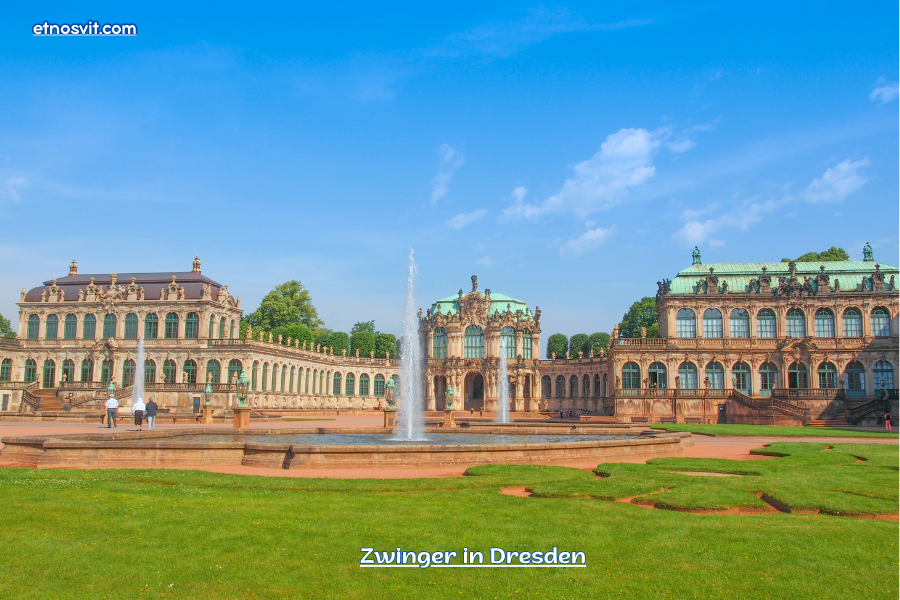
Dresden Zwinger – an architectural landmark of Saxony
Today, the complex houses museum exhibitions dedicated to painting, porcelain and historic scientific instruments. Even without visiting the museums, discovering the architecture of the Zwinger will be an important part of your journey.
2. Dresden Picture Gallery
The Old Masters Picture Gallery ranks among Europe’s most outstanding art museums. Its collection introduces visitors to the works of prominent European painters from different periods.
Raphael’s “Sistine Madonna” has brought the museum particular fame. Works by Rembrandt, Titian, Rubens, Vermeer and other masters are also displayed here. Art enthusiasts should allow at least several hours to explore the exhibition.
3. Frauenkirche – a Symbol of Dresden’s Revival
The magnificent Lutheran Frauenkirche church is located on Neumarkt Square. Its stone dome forms a recognisable part of the city’s skyline and can be seen from many viewpoints.
The church was destroyed towards the end of the Second World War. Following extensive reconstruction, it was reconsecrated in 2005. The rebuilt church became a symbol of reconciliation, peace and the preservation of historical memory.
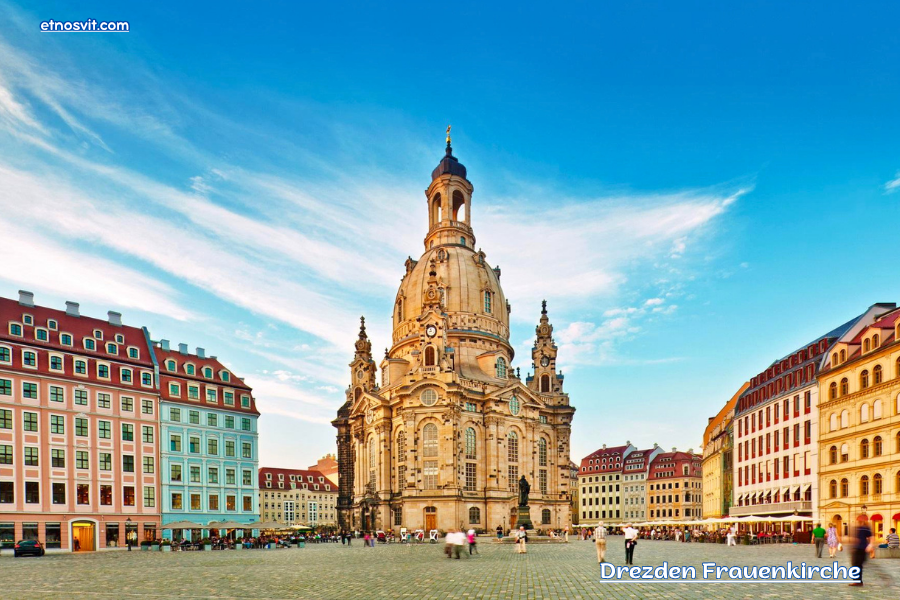
Frauenkirche Church on Neumarkt Square in Dresden
In addition to exploring the interior, tourists can ascend to the observation platform if it is open to visitors.
4. Semper Opera House
The Semperoper is located on Theatre Square and is a famous German opera venue named after the architect Gottfried Semper. The theatre building stands out for its harmonious proportions, elaborate sculptural decorations and grand interiors.
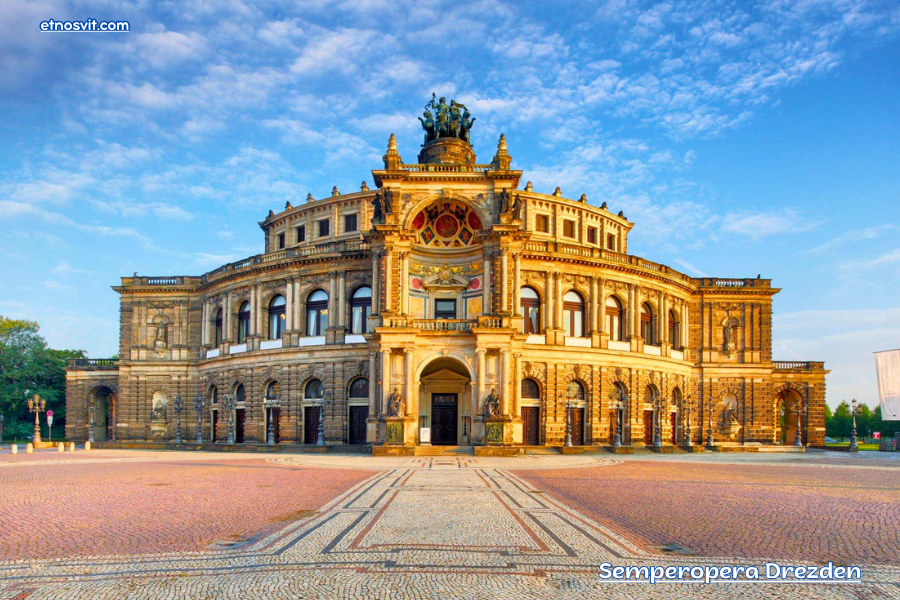
Semper Opera House in Dresden
Visitors can not only admire the theatre from the outside but also arrange a guided tour or attend a musical performance.
5. Dresden Royal Palace
The former residence of the Saxon rulers is a true treasure trove of history. The architecture of the complex combines elements from different periods, while its museum galleries introduce visitors to court culture, the art of jewellery making and collections of historic weapons.
The Green Vault museum is particularly famous for its treasures, objects made of gold, silver and precious stones, and other examples of decorative art.
6. The Procession of Princes Mural
One of Dresden’s most unusual landmarks is the monumental Fürstenzug mural. Measuring more than 100 metres in length, the composition is made of Meissen porcelain and depicts members of the ruling Saxon Wettin dynasty.
It is a distinctive open-air historical gallery that can be seen during an ordinary stroll through the Old Town.
7. Brühl’s Terrace
Brühl’s Terrace is known as the “Balcony of Europe”. It stretches along the Elbe and is one of the most pleasant places for a leisurely stroll.
From here, visitors can enjoy views of the river, bridges and opposite bank. It is an excellent location for photography, relaxing after a sightseeing tour and experiencing the city’s atmosphere.
8. Catholic Cathedral
The former court church, the Hofkirche, is located near the royal residence. This Baroque church attracts attention with its tall tower, numerous sculptures and distinctive silhouette. Members of the ruling Saxon dynasty are buried in its crypt.
9. Altmarkt Square
Altmarkt is one of the city’s oldest squares. It is home to dining establishments and hosts cultural events and seasonal markets. The square becomes particularly popular in the run-up to Christmas, when it turns into the centre of Dresden’s festive life.
10. Neustadt – Another Side of Dresden
Travellers wishing to discover the city beyond traditional tourist routes should visit Neustadt. This district is known for its creative atmosphere, unusual courtyards, street art and small independent designer shops.
The courtyards of Kunsthofpassage are particularly interesting, where building façades have been transformed into original artistic compositions.
What to See in Dresden in One Day
If exploring the city is part of a coach tour through Europe, even one day will be sufficient to see its main architectural landmarks. We recommend the following walking route through the historic centre:
- Zwinger Palace complex.
- Theatre Square and the Semper Opera House.
- Hofkirche Cathedral.
- Dresden Royal Palace.
- The Procession of Princes porcelain mural.
- Neumarkt Square and Frauenkirche Church.
- A stroll along Brühl’s Terrace.
- The Elbe embankment and free time in the city centre.
Allow approximately 3–4 hours to view the landmarks from the outside. If you wish to visit the picture gallery or the palace’s museum collections, additional time should be allocated. During a short stay, it is better to choose one major museum and devote the remaining time to walking around the city.
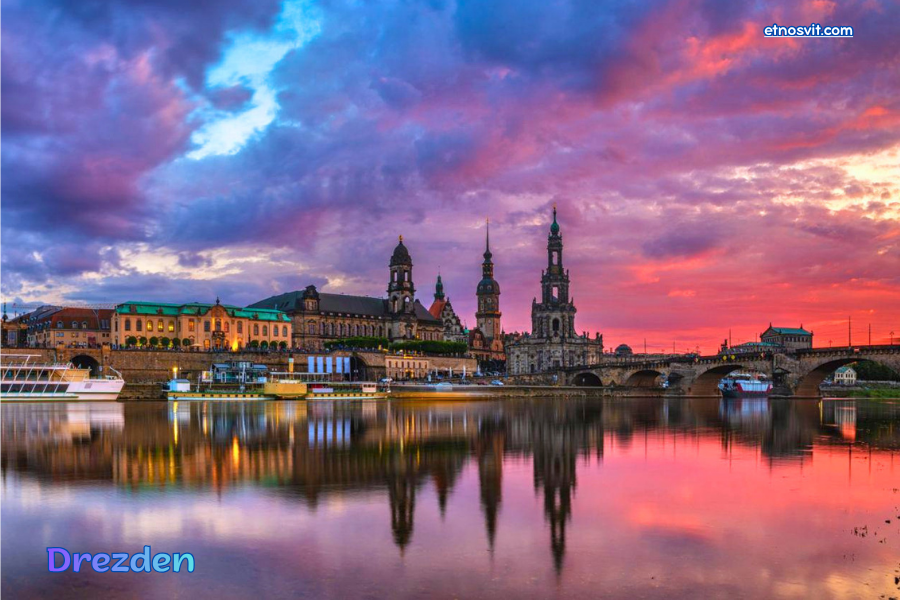
Dresden – panorama of the Old Town on the banks of the Elbe
Dresden at Christmas – the Fairytale Atmosphere of Saxony
In the run-up to Christmas, Dresden becomes a particularly attractive tourist destination. Festive illuminations, wooden market stalls, the aroma of spices and traditional Saxon baked goods create the atmosphere of a genuine European Christmas.
The city’s most famous Christmas market is the Striezelmarkt, whose history dates back to 1434. It is one of Germany’s oldest Christmas markets. Here, visitors can purchase handicrafts, wooden decorations and festive souvenirs, as well as sample traditional local delicacies.
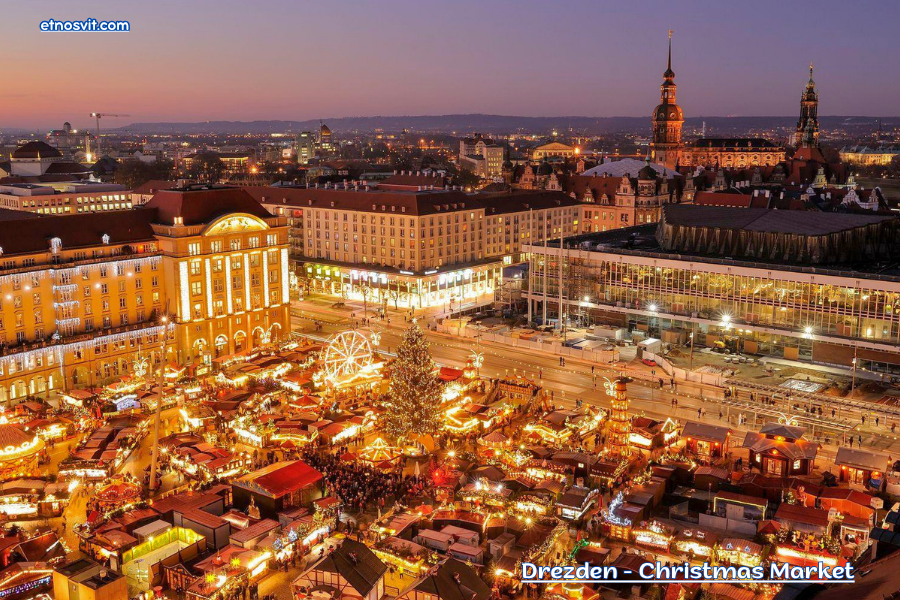
Striezelmarkt Christmas Market in Dresden
Be sure to look out for Dresden Stollen, a traditional Christmas baked speciality made with dried fruit, butter and icing sugar, which has become one of Saxony’s culinary symbols.
What to Visit Near Dresden
If you have the opportunity to stay in the region for several days, complement your exploration of the city with a journey through the surrounding areas of Saxony.
- Saxon Switzerland – a picturesque natural region with sandstone cliffs, panoramic viewpoints and hiking trails.
- Bastei – a famous rock formation with a stone bridge and views of the Elbe Valley.
- Meissen – a historic town known for its porcelain manufactory, medieval architecture and Albrechtsburg Castle.
- Moritzburg – a picturesque Baroque castle surrounded by bodies of water and parkland.
- Pillnitz – a palace and park complex on the banks of the Elbe that served as a country residence of the Saxon court.
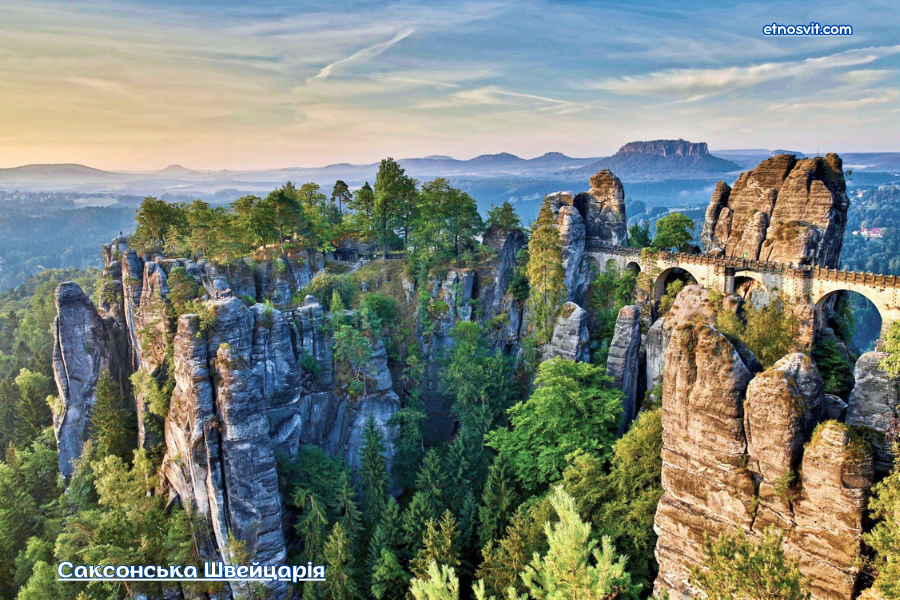
Bastei Bridge in Saxon Switzerland near Dresden
Combining city sightseeing tours with visits to the region’s natural and architectural landmarks allows travellers to discover Saxony’s tourism potential much more fully.
When Is the Best Time to Visit Dresden?
Dresden is interesting at any time of year, although the nature of the journey depends on the season.
- Spring – a pleasant time for sightseeing tours, walks through parks and discovering the city’s architecture.
- Summer – a time for river cruises, open-air cultural events and trips to the surrounding areas.
- Autumn – an excellent opportunity to visit museums, enjoy the colours of nature and experience a less hectic atmosphere.
- Winter – a special time for enthusiasts of Christmas markets, culinary traditions and festive journeys.
Useful Tips for Tourists
- For your first introduction to the city, choose a walking tour of the historic centre.
- Check the opening hours of museums and churches before visiting.
- It is advisable to book tickets for popular museum exhibitions in advance.
- Wear comfortable shoes when walking through the Old Town.
- Trams and buses can be used to travel to more distant districts.
- Plan your trip well in advance during the Christmas market season.
- Allow time to relax on the Elbe embankment and discover Saxon cuisine.
Tours to Dresden – Discover Germany’s Cultural Heritage
Dresden is an excellent city for a first introduction to Saxony and one of Germany’s most interesting destinations for cultural and educational tourism. A visit to the city can be combined with sightseeing tours in Prague, Berlin, Leipzig and other European cities.
An organised coach tour allows you to discover several tourist destinations in a single trip, enjoy the sightseeing programme and focus on new experiences.
Planning a trip to Dresden? Contact the Etnosvit travel company to find out about currently available coach tours through Europe, choose an interesting itinerary and set off towards new discoveries.
Dresden: Frequently Asked Questions by Tourists
What Is Dresden Famous For?
Dresden is famous for its Baroque architecture, the Zwinger Palace complex, the Old Masters Picture Gallery, the Semper Opera House, Frauenkirche Church and traditional Christmas markets.
What Are the Must-See Attractions in Dresden?
During your first trip, it is worth seeing the Zwinger, Frauenkirche, Dresden Royal Palace, Theatre Square, the Procession of Princes mural and Brühl's Terrace.
Can You Explore Dresden in One Day?
Yes, the main architectural landmarks of the historic centre are located close to one another. However, it is advisable to plan two or three days to explore the museums thoroughly.
Why Is Dresden Called Florence on the Elbe?
The city earned this name thanks to its rich art collections, refined architecture, cultural traditions and picturesque location on the banks of the Elbe.
What Is the Most Famous Painting in the Dresden Picture Gallery?
One of the most famous masterpieces of the Old Masters Picture Gallery is the “Sistine Madonna”, created by the Italian artist Raphael.
When Is the Best Time to Visit Dresden?
Spring and autumn are well suited to walking tours. River cruises along the Elbe are popular in summer, while in the run-up to Christmas, the city attracts visitors with its traditional festive markets.
What Souvenirs Can You Bring Home from Dresden?
Popular souvenirs include Saxon porcelain, wooden handicrafts, Christmas decorations, Dresden Stollen and gifts featuring the city's symbols.
What Places of Interest Are Located Near Dresden?
Saxon Switzerland, the Bastei rock formation, the town of Meissen, Moritzburg Castle and the Pillnitz palace and park complex are located near the city.
Is Dresden Worth Visiting at Christmas?
Yes, Dresden is particularly interesting in the run-up to Christmas thanks to its festive architecture, illuminations, culinary traditions and the historic Striezelmarkt.
Can You Visit Dresden on a Coach Tour Through Europe?
Yes, Dresden is often included in combined tourist itineraries through Germany and Central Europe, together with Prague, Berlin and other cities.
- Karlovy Vary – What to See in the Famous Czech Spa Resort
- Dresden – What to See in the Pearl of Saxony
- Krasiczyn, Poland – Castle in Krasiczyn
- Przemyśl, Poland: Ukrainian footprint
- Prague through the eyes of a traveler
- Romantic Paris
- Tourist Amsterdam
- Berlin tourist
- Warsaw – the treasury of Poland
- Milan – the heart of Italian culture
- Vienna – attractions | pearl of Austria
- Krakow is a royal city


 EtnoSvit